Warwick Road Earls Court removals parking and access tips
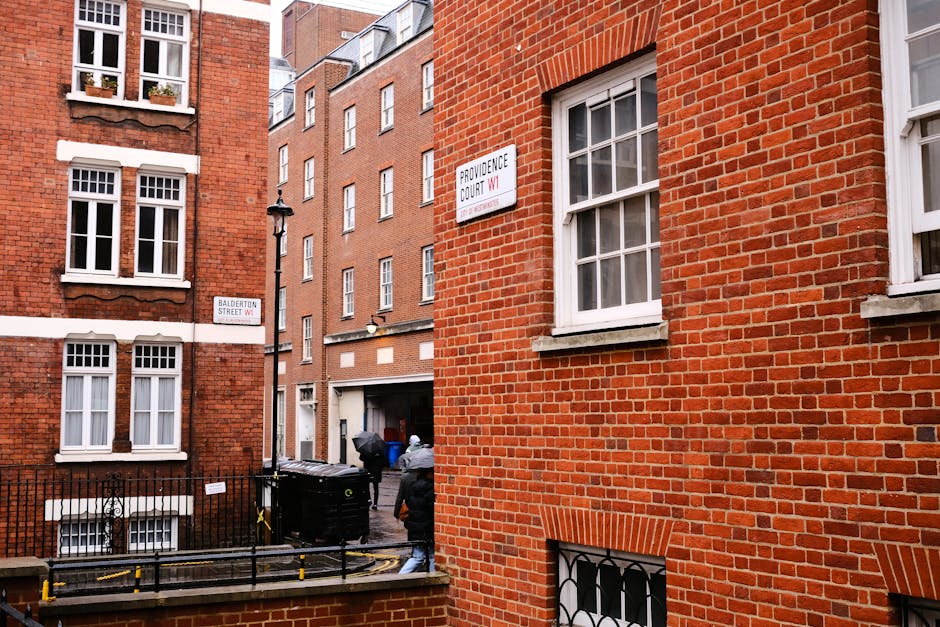
Moving in Earls Court can feel straightforward on paper, then suddenly become a puzzle of narrow streets, tight kerb space, controlled parking, and awkward stairwells. If you are planning a move on Warwick Road, the parking and access side of the job is often what decides whether the day feels calm or chaotic. The good news? With the right Warwick Road Earls Court removals parking and access tips, you can avoid the most common delays, protect your belongings, and keep the removal team moving efficiently.
In this guide, we will walk through what matters most: vehicle access, loading points, timing, property entry, permissions, and the little details that save a lot of stress. You will also find practical checklists, a comparison table, and a real-world example to help you plan a smoother move in one of West London's busier residential corridors.
Why Warwick Road Earls Court removals parking and access tips Matters
Warwick Road sits in a part of London where moving vehicles often have to work around real-world constraints: traffic flow, resident parking pressure, delivery activity, and buildings that were not designed for large modern vans. That does not mean a move is difficult by default. It does mean the "where will the van stop?" question is not a minor detail. It is the detail.
When parking is sorted early, everything else becomes easier. Porters spend less time carrying furniture from a distant bay. Boxes are less likely to get rained on while waiting. Drivers can avoid repeated circling, which is a relief for everyone, especially at the end of a long morning. Honestly, that small bit of planning can change the whole feel of moving day.
Access is just as important. A building may have a lift, but it might be narrow, booked, or not suitable for bulky items. A flat may be on the second floor but still awkward because of a tight stair turn. Or the front entrance might be shared, locked, or only practical through a side route. These are the things that catch people out.
If you are moving a full household, a single-van job, or a smaller flat removal, understanding access in advance saves time and reduces risk. It also helps if you are comparing options such as flat removals, man and van support, or a wider removals service. Different move types benefit from different access planning. That is just the reality of it.
How Warwick Road Earls Court removals parking and access tips Works
The basic idea is simple: make it possible for the removal vehicle to stop as close as safely and legally possible to the property, then make sure the path from van to front door is clear, direct, and realistic for the team carrying the items.
In practice, this usually means checking four things before moving day:
- Where the vehicle can stop without blocking traffic or breaching parking restrictions
- How far the carry distance is from the vehicle to the property entrance
- Whether there are stairs, lifts, narrow corridors, or restricted access times
- Whether the building or street needs advance notice, permissions, or visitor arrangements
That last point is easy to overlook. A move can be perfectly organised on your side, yet still get slowed down by a concierge desk, a gated entrance, or a permit issue. If you are moving in or out of a block of flats, it is worth confirming the process with the property manager before the van arrives. Not glamorous, but very useful.
For some households, a larger vehicle is fine if there is a proper loading area. For others, a smaller vehicle makes more sense because the road is tighter and the carry distance is short. You may also find that a mixed approach works best: one vehicle for the main load and a second trip for smaller items, especially if you are dealing with small removals or a short move across London.
If your move is partly about reducing clutter before the big day, you may want to combine the job with packing services or temporary storage. That can take pressure off the schedule and reduce the number of items that need to be carried in one rush.
Key Benefits and Practical Advantages
Good parking and access planning is not just about avoiding trouble. It creates a better move overall.
- Less wasted time: the team can get from vehicle to property faster, with fewer stop-start delays.
- Lower handling risk: fewer long carries means less chance of scuffs, drops, or strain.
- Better coordination: drivers, movers, and residents are all less likely to get in one another's way.
- Less stress for you: you are not trying to negotiate a parking problem while also worrying about the sofa.
- Cleaner timing: your move is more likely to stay on schedule, which helps if you are working around handover times or building rules.
There is also a subtle benefit people do not always mention: a well-planned access route tends to make the property feel more manageable. Once the first few boxes are in place, the whole day gains momentum. That matters more than you might think.
For anyone moving out of a rental flat, or juggling two addresses at once, combining access planning with removals and storage can be a smart way to create breathing room. If you do not have to force everything into one tight window, the day usually feels less frantic. Lets face it, most people prefer one calm move to three desperate ones.
Who This Is For and When It Makes Sense
This advice is useful for a wide mix of movers, not just large households.
It makes sense if you are:
- Moving into or out of a flat on or near Warwick Road
- Hiring a van for a same-day local move
- Managing a landlord handover or end-of-tenancy deadline
- Moving office equipment, archived files, or workstations
- Trying to avoid a long carry from a distant parking bay
- Moving with children, pets, or vulnerable family members and need a calmer pace
It is also relevant if you are deciding between a full-service move and a lighter service such as local removals or a more flexible man and van option. If the building access is simple, a smaller team may be enough. If the street is tight and the items are bulky, you may need a more structured plan.
For businesses, the same logic applies. Office moves often involve lift bookings, security desk check-ins, and limited loading periods. If that sounds familiar, a look at office removals or even business storage can help you shape the move around the building rather than fighting against it.
Step-by-Step Guidance
Here is a practical way to plan your move around Warwick Road access issues without overcomplicating things.
- Walk the route before moving day. Stand outside the property and look at where a van could reasonably stop. Check kerbs, widths, corners, and any obvious pinch points.
- Measure the carry distance. Even a short distance can feel long when you are carrying wardrobes, mattresses, or filing boxes. A few extra metres matter.
- Ask about loading permissions. If the property has a concierge, management office, or parking rules, confirm what is allowed and when.
- Check building access. Find out whether the lift works for your furniture, whether it needs booking, and whether there are time restrictions.
- Separate the heavy items. Put larger, awkward pieces near the exit so they are first on the van and not trapped behind smaller boxes.
- Label with access in mind. Mark boxes by room and priority so movers can place them quickly at the destination.
- Plan for a fallback option. If the nearest bay is taken, know where the next sensible stopping point is. It sounds obvious until you are on the street at 8:15 in the morning.
For a home move, this process is even easier if you pair it with a broader plan for house removals or household storage. Storage can remove the pressure from items you do not need immediately, which in turn simplifies access and loading. Fewer items, fewer trips, fewer headaches.
If you are moving out of a smaller place, you may also find mobile self storage useful because it can reduce the need to rush everything through the doorway at once. It is a surprisingly calm option when the building access is awkward.
Expert Tips for Better Results
In our experience, the best moves are not the ones with the biggest vans or the biggest teams. They are the ones where the access plan is quietly solid.
- Keep one person as the point of contact. Too many instructions shouted from the pavement can slow everything down. One calm decision-maker makes life easier.
- Protect shared spaces. Hallways, stairwells, and door frames are easy to mark during a move. Blankets, corner guards, and sensible lifting go a long way.
- Use the time of day wisely. Earlier starts can sometimes be calmer, but they should be balanced with building rules and realistic loading access.
- Don't fill the van randomly. Heavier items should be secured first, with fragile items packed in a way that matches the order of unloading.
- Confirm lift dimensions, not just lift existence. A lift is not automatically a solution. Width, depth, and weight limits all matter.
A small real-world note: the last ten minutes before a van arrives often set the tone for the whole job. If the front path is clear, the keys are ready, and the kettle is on, everybody relaxes a bit. A moving day should never become a scavenger hunt.
If your move involves specialist handling or a lot of awkward furniture, you may also want to compare furniture storage and secure storage options. That can give you room to stage items properly instead of squeezing everything into one crowded day.
Common Mistakes to Avoid
Most access problems are preventable. The tricky bit is that people often realise the issue only after the van has arrived. Here are the usual culprits.
- Assuming parking will be easy. It rarely pays to assume kerb space will be free on the exact morning you need it.
- Ignoring loading distance. A "close enough" bay can turn into a long carry and a slower move.
- Forgetting building rules. Some properties require advance booking for lifts, access, or moving windows.
- Packing too late. If boxes are still being sealed while movers wait at the door, the whole schedule slips.
- Leaving loose items in corridors. That creates trip hazards and makes access worse for everyone.
- Not telling neighbours. A quick heads-up can reduce friction in shared buildings. It is just polite, really.
Another mistake is choosing a vehicle size without thinking about the street. Bigger is not always better. On a tight road, a more manoeuvrable vehicle can save time and stress, even if it means an extra run. The right choice depends on the route, not just the load.
If you are dealing with a shorter move or a limited number of items, it can make sense to look at small removals rather than overcommitting to a larger setup. That keeps the move practical instead of theatrical. Nobody needs a drama on moving day.
Tools, Resources and Recommendations
You do not need fancy tools to get this right, but a few basics help.
- Printed move plan: useful for keeping track of access times, keys, contacts, and item priorities
- Box labels and room notes: speeds up unloading and reduces confusion in the new property
- Measuring tape: still one of the most underrated moving tools, especially for doorways and lifts
- Protective covers and blankets: useful for hallways, furniture edges, and shared areas
- Phone photos: take pictures of parking signs, entrance points, stairways, and any tricky corners before the move
It is also worth checking your chosen company's policies and support pages before booking. For example, a service provider's insurance and safety information can be a useful indicator of how carefully they handle risk. Likewise, health and safety guidance can show how they think about shared spaces and safe moving practices.
If you are still working out budget and scope, pricing and quotes is a sensible place to start. And if you want to understand who you are dealing with, the about us page can give some context before you make a booking decision.
Law, Compliance, Standards, or Best Practice
Parking and access for removals in London usually sit within a mix of local parking rules, building management requirements, and standard road-safety practice. Because these can vary by street, by block, and sometimes by time of day, it is best to treat any access plan as something to confirm rather than assume.
In practical terms, the safest approach is this:
- Only stop where it is legally and safely permitted
- Do not block driveways, emergency access, or pedestrian routes
- Check whether a property has booking rules for lifts, bays, or loading areas
- Make sure movers are not carrying items through unsafe or cluttered paths
If you are arranging a commercial move, there may also be extra expectations around building security, fire exits, and the protection of shared areas. For that reason, it is often wise to review any relevant terms in advance, including terms and conditions and, where relevant, a provider's support pages. It is not exciting reading, to be fair, but it can prevent misunderstandings later.
For people who need longer-term flexibility, options like self storage or short-term storage may make the whole logistics side easier. When access at the property is tight, taking some items out of the equation can be the smartest compliance-friendly move of all because it reduces congestion and handling pressure.
Options, Methods, or Comparison Table
There is no single best moving method for Warwick Road. The right choice depends on how tight the access is, how much you are moving, and how quickly you need it done.
| Method | Best for | Strengths | Trade-offs |
|---|---|---|---|
| Large removal van | Full household moves with decent loading access | Can carry more in one go; efficient for bigger loads | Harder to park and manoeuvre in tighter spots |
| Smaller van | Shorter moves, tight streets, smaller properties | Easier to position close to the entrance; flexible | May need more than one trip |
| Man and van service | Light to medium moves, fast local jobs | Flexible, often simpler for compact access routes | Less capacity for very large loads |
| Removals plus storage | Moves with timing gaps or overspill items | Reduces pressure on access, packing, and timing | Involves a second stage and additional planning |
If the route is awkward but the move is not huge, a man and van approach can be a very neat fit. If the access is manageable but the number of items is more substantial, a fuller removals service may be worth it. And if there is a gap between move-out and move-in dates, removals and storage often gives the cleanest solution.
Case Study or Real-World Example
Here is a very typical scenario.
A couple moving out of a second-floor flat near Warwick Road had a sofa, a bed, two wardrobes, several kitchen boxes, and a narrow communal hallway. At first, they assumed the van could stop directly outside. On inspection, though, the closest space was being used most mornings and the building entrance sat just far enough back to make a direct carry awkward. Nothing dramatic. Just the kind of thing that quietly eats time.
They solved it by planning three things in advance:
- They confirmed the building's moving window with the managing agent
- They reserved the closest practical stopping point as early as they could
- They moved the heaviest pieces first and kept the corridor clear
The result was not glamorous, but it worked. The movers could access the flat without repeated delays, fragile items were handled once instead of several times, and the day stayed on track. They even had time for a second tea before the keys were handed over. That little margin makes a huge difference.
For the items they did not want to carry straight away, they used household storage for a short period. That removed pressure from the timetable and made the move-out less frantic. A good reminder that the best moving plan is sometimes the one that leaves you a bit of breathing space.
Practical Checklist
Use this checklist a day or two before the move.
- Confirm the exact moving date and time window
- Check parking restrictions near Warwick Road and your property entrance
- Ask the building or landlord about loading access and lift bookings
- Measure the widest doors, halls, stairs, and lift opening if needed
- Decide where the van should stop and what the fallback spot is
- Clear hallways, stairwells, and entrance areas
- Label boxes by room and priority
- Pack a small essentials bag for documents, chargers, medication, and keys
- Protect fragile items and furniture corners
- Keep the route between property and vehicle free of clutter
- Tell neighbours if access may be temporarily affected
- Have the provider's booking details, instructions, and contact numbers ready
Quick summary: the smoother the vehicle access, the shorter the carry. The shorter the carry, the faster and safer the move tends to be. Simple, but true.
Conclusion
Warwick Road Earls Court removals parking and access tips are really about one thing: removing friction before it has a chance to slow you down. If you sort out stopping points, building access, lift use, and carry distance early, the rest of the move becomes far more manageable. You do not need perfection. You just need a practical plan that fits the street, the property, and the amount you are moving.
For many people, the best next step is to compare the move size, the access at both addresses, and whether storage could simplify the timeline. A clear plan now usually saves a lot of last-minute pressure later. And honestly, that calm start is worth a great deal.
Get a free quote today and see how much you can save.
When the van pulls up and everything just works, moving day feels less like a battle and more like a fresh start. That is the aim, really.
Frequently Asked Questions
What should I check first for a Warwick Road Earls Court move?
Start with parking and the path from the vehicle to the door. Then confirm whether the building has lift bookings, access windows, or concierge rules. Those early checks prevent most delays.
Do I need to reserve parking for removals in Earls Court?
Sometimes, yes, depending on the street and the type of property. At the very least, you should check the local restrictions and have a fallback plan if the closest space is taken.
Is a larger van always better for Warwick Road removals?
Not necessarily. A bigger van can be efficient, but if the street is tight or the parking is difficult, a smaller vehicle may actually make the move faster and less stressful.
How far should the van be from the front door?
As close as safely and legally possible. The shorter the carry distance, the easier it is to move heavy items and protect shared spaces. A few extra metres can matter more than people expect.
What if my flat has a lift but the furniture might not fit?
Measure the lift opening, depth, and turning space before moving day. If bulky items will not fit, plan for stairs or consider partial disassembly, storage, or a different moving method.
Can packing services help with access problems?
Yes, often they can. Well-packed, clearly labelled boxes move faster and reduce confusion on narrow staircases or in shared hallways. They do not create parking space, of course, but they help a lot.
Is storage useful if access is awkward?
Very much so. If you do not need every item immediately, storage can reduce load size and make the whole move easier to organise. It is especially handy for staggered move dates.
What is the best option for a smaller move near Warwick Road?
A smaller removal setup or man and van service often suits compact moves well, especially if parking is tight and the access route is short and straightforward.
How early should I plan parking and access details?
Ideally several days ahead, and earlier if your building has a booking process. The more notice you give yourself, the less likely you are to end up improvising on the pavement.
What should I do if the van cannot stop right outside?
Plan a safe alternative stop nearby and keep the route clear. It is better to walk a short extra distance than to block traffic or rush an unsafe loading setup.
Do office moves near Warwick Road need different access planning?
Yes, usually they do. Office moves often involve lift reservations, security check-ins, and strict loading times, so access planning should be even more detailed than for a standard household move.
Where can I find more help before booking a move?
Useful starting points include the company's pricing and quotes, about us, and contact us pages, along with relevant support information such as insurance and safety. That gives you a better feel for what is included and how the move will be handled.